Articles

Article Ⅰ

Article Ⅱ

Executive Department

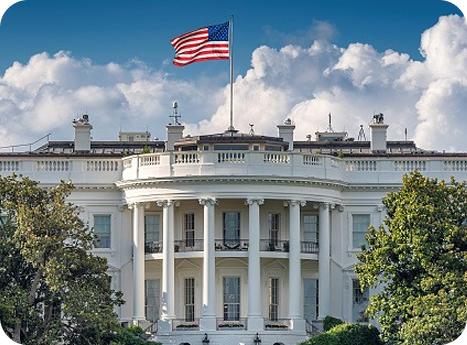
The President holds executive authority, oversees all security forces and administrative departments, and appoints key officials with Senate approval. The President must report to the Legislature, recommend necessary measures, and ensure that all laws are properly carried out.

Article Ⅲ

Judicial Department

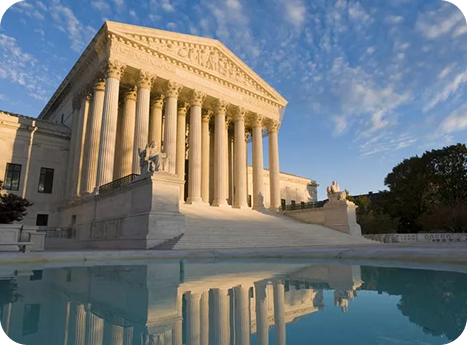
Judicial power belongs to the Supreme Court and lower courts, covering all cases related to the Constitution and national laws, except suits against a State by outsiders. Supreme Court decisions can be overridden if two thirds of State supreme courts object.

Article Ⅳ

State Relations

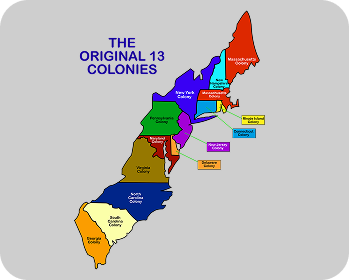
State must recognize each other’s official actions, and citizens receive equal protections throughout the United States. Each State is guaranteed.

Article Ⅴ

Amendment Process

The Constitution can be amended when two thirds of both legislative houses or two thirds of State legislatures call for it, and any amendment must be ratified.

Article Ⅵ

Other Provisions

The new United States accepts all previous debts and obligations, and this Constitution along with its laws becomes the supreme law of the land.

Article Ⅶ

Ratification

Ratification by three fourths of the State establishes the Constitution, ensuring a strong majority that reflects careful and principled decision making.